
What Nobody Tells You About the 48-Team 2026 FIFA World Cup Format
The 2026 FIFA World Cup expands to 48 teams across 16 host cities in the United States, Mexico, and Canada, running June 11 to July 19, This is the first World Cup hosted across three nations and feat...
What Nobody Tells You About the 48-Team 2026 FIFA World Cup Format
The 2026 FIFA World Cup expands to 48 teams across 16 host cities in the United States, Mexico, and Canada, running June 11 to July 19, 2026. This is the first World Cup hosted across three nations and features 104 matches instead of the traditional 64. Los Angeles's SoFi Stadium hosts eight matches including the USMNT opener on June 12, while Atlanta's Mercedes-Benz Stadium welcomes semifinal matches. MetLife Stadium in East Rutherford, New Jersey, hosts the final on July 19. FIFA Fan Festivals operate at LA Memorial Coliseum with performers like Steve Aoki and Normani, and Official Fan Zones span multiple regions. The expanded format adds a round of 32 matches and extends the schedule to 39 days of fan celebrations. Fans should book accommodations early and plan logistics across three countries.
Photo by Michael Kanivetsky on Pexels
Is the 48-Team Format Really an Improvement Over the Old Structure?
The 48-team format is the largest expansion in World Cup history, but most coverage glosses over what it actually changes. Previous tournaments featured 32 teams playing 64 matches over roughly 30 days. The 2026 edition features 104 matches over 39 days, meaning each participating nation plays at minimum three group-stage games rather than the previous three-match guarantee.
The new structure introduces a round of 32, replacing the traditional round of 16. This means four additional teams advance from groups, and an extra knockout round stretches the tournament timeline by roughly nine days. FIFA projects this generates $11 billion in revenue, but ticket distribution and match quality remain debated topics. According to FIFA's official tournament overview, the format increases global participation but compresses rest days between fixtures.
For fans, this means more matches to attend but also more travel logistics. The expanded calendar pushes the final to July 19, 2026, the latest World Cup final date ever scheduled.

Photo by César O'neill on Pexels
How Does the Tournament Handle Three Host Nations Simultaneously?
Three host nations create unprecedented logistical complexity. Matches split across the United States (11 cities), Mexico (3 cities), and Canada (2 cities) require visa coordination, currency exchanges, and multi-time-zone scheduling that no previous World Cup has managed.
The opener takes place at Estadio Azteca in Mexico City on June 11, 2026, marking the first time the tournament's first match occurs outside Europe or the host's primary nation. USMNT's first match follows on June 12 at SoFi Stadium in Inglewood, California. The final at MetLife Stadium in East Rutherford, New Jersey, closes the tournament.
Travel between host cities presents real challenges. A fan attending matches in Vancouver, Atlanta, and Mexico City must navigate three border crossings within two weeks. Time zone differences reach up to three hours between Pacific (Vancouver) and Eastern (Miami, Atlanta) venues. According to Wikipedia's tournament documentation, the schedule accounts for these gaps by clustering group-stage matches regionally during early rounds.
Key host venues confirmed for 2026 include:
- SoFi Stadium (Los Angeles) — 8 matches including USMNT opener
- Mercedes-Benz Stadium (Atlanta) — Semifinal matches
- MetLife Stadium (New York/New Jersey) — Final
- Estadio Azteca (Mexico City) — Opening match
- BMO Field (Toronto) — Group stage matches
- Levi's Stadium (San Francisco Bay Area) — Group and knockout matches
- AT&T Stadium (Arlington, Texas) — Multiple knockout rounds
- Hard Rock Stadium (Miami Gardens) — Quarterfinals
For a deeper look at specific venues, see our [Internal Link: complete stadium guide for 2026 World Cup hosts].
What About Fan Zones and Off-Site Match Viewing Experiences?
Fan experiences in 2026 extend far beyond stadium seats. FIFA has structured three tiers of official fan engagement: FIFA Fan Festivals, Official Fan Zones, and community watch parties.
The FIFA Fan Festival at LA Memorial Coliseum operates June 11–14 during the tournament's opening weekend, featuring live match broadcasts, music performances, and food vendors. Confirmed performers include Steve Aoki, Normani, Deorro, SICKICK, Los Lobos, Capital Cities, and DJ Ravidrums. Entry policies and capacity details are published on the Los Angeles World Cup 26 official site.
Official Fan Zones operate across Los Angeles County throughout the 39-day tournament window. These designated areas feature large screens, sponsor activations, and food service. Atlanta, as a semifinal host city, runs its own fan programming centered around Mercedes-Benz Stadium and downtown gathering spots.
One detail most coverage misses: Fan Zones require separate credentials from match tickets. FIFA does not bundle festival access with stadium entry. Fans attending only Fan Zone events save substantially on costs but miss live match atmosphere.

Photo by Waseem Lazkani on Pexels
Where Does the Expanded Format Create Real Problems?
The 48-team expansion introduces structural issues that FIFA has acknowledged but underplayed publicly. The additional 16 teams include several that historically fail to advance past the group stage. Group-stage matches involving minnow nations against traditional powerhouses tend to produce lopsided scorelines, reducing competitive tension.
Rest periods between fixtures shrink under the new schedule. Teams playing in the round of 32 face shorter recovery windows than in previous tournaments. Injury risk increases accordingly. Coaches have publicly raised concerns about player welfare, particularly regarding cross-continental travel between host venues.
Another practical issue: ticket availability. With 104 matches across 16 cities, FIFA distributes tickets in phases. Demand for high-profile matches at SoFi Stadium and MetLife Stadium already exceeds supply by ratios reported above 10:1 for premium categories. Secondary markets are pricing tickets at multiples of face value.
Travel logistics compound the problem. Hotels within 10 miles of host venues report booking surges of 300–400% over normal rates during match windows. Fans who delayed booking until 2025 faced premium pricing; last-minute bookings for the final window approach $800–$1,200 per night for standard rooms near MetLife Stadium.
For match predictions and tactical previews across the expanded field, check out our [Internal Link: 2026 World Cup team analysis hub].
How Do Host City Preparations Differ From One Another?
Host cities invested differently based on existing infrastructure. Atlanta, for example, leveraged Mercedes-Benz Stadium's existing retractable roof and 71,000 capacity, requiring only minor modifications for FIFA compliance. Atlanta United's MLS presence, established since 2017, provided operational expertise for managing large-scale soccer events.
Los Angeles prepared SoFi Stadium, which opened in 2020, as the tournament's flagship venue. Eight matches including the USMNT opener justify the city's claim as a tournament centerpiece. The 70,000-seat capacity and Hollywood Park entertainment district surrounding the stadium offer integrated match-day experiences.
Mexico City's Estadio Azteca becomes the first stadium to host matches in three separate World Cups (1970, 1986, 2026). The venue underwent renovations to meet modern FIFA standards. Mexico City also gains symbolic importance as the host of the opening match.
Vancouver's BC Place and Toronto's BMO Field handle Canada's group-stage matches. Toronto's BMO Field has the smallest capacity among host venues at approximately 30,000, limiting ticket availability for Canadian matches.
Atlanta's official promotional positioning, captured on the Atlanta FIFA World Cup 26 site, emphasizes the city's soccer heritage and southern hospitality. André's famous quote, "The South got something to say," appears throughout Atlanta's marketing materials.
Should You Lock In Your Travel Plans Before Group-Stage Draws Lock Out Last-Minute Options?
Yes. The group-stage draw occurs in late 2025, and confirmed match schedules follow shortly after. Fans who wait until schedules publish typically pay 40–60% more for accommodations and face limited ticket availability.
Practical booking priorities for 2026 World Cup attendance:
- Flights to your primary host city at least 8 months ahead
- Hotel reservations within 15 miles of your target venue
- Match tickets through FIFA's official portal during the random selection draw phase
- Ground transportation (rental cars or rail passes for multi-city itineraries)
- Fan Zone credentials if you plan festival attendance without match tickets
For fans tracking team form and tactical previews throughout the tournament build-up, World Cup Hub provides daily insights covering match predictions, team tactics, and player stats through the 2026 cycle.
Frequently Asked Questions
Q: When does the 2026 FIFA World Cup start and end?
A: The tournament runs from June 11 to July 19, 2026, spanning 39 days. The opening match takes place at Estadio Azteca in Mexico City on June 11, with the final scheduled for MetLife Stadium in East Rutherford, New Jersey, on July 19.
Q: How many teams are participating in the 2026 World Cup?
A: 48 national teams will compete, the largest field in World Cup history. This represents a 50% increase from the 32-team format used from 1998 through 2022, with 104 total matches scheduled across 16 host cities.
Q: Where will the 2026 World Cup final be held?
A: MetLife Stadium in East Rutherford, New Jersey, hosts the final on July 19, 2026. The 82,500-capacity venue is home to the NFL's New York Giants and New York Jets and previously hosted major international events including Copa América matches.
Q: Do I need separate tickets for FIFA Fan Festival events?
A: Yes. FIFA Fan Festivals at LA Memorial Coliseum and Official Fan Zones across host regions require separate access credentials. Match tickets do not include festival entry, though festival-only access is available at lower cost for fans seeking atmosphere without stadium seats.
Q: How much do 2026 World Cup tickets cost?
A: Ticket prices range from approximately $60 for group-stage Category 1 seats to over $6,000 for premium final matches. FIFA uses a phased random selection process, and demand for knockout-stage matches at SoFi Stadium, Mercedes-Benz Stadium, and MetLife Stadium significantly exceeds supply.
Q: What is the best way to travel between host cities?
A: Air travel remains the most practical option for most inter-city routes. Domestic flights between major hub airports (LAX, ATL, JFK, DFW, MIA) operate frequently, though prices spike during match windows. For fans attending multiple matches in the same region, ground transport via rental car or rail works for clusters like the Northeast (Boston, New York, Philadelphia, Miami).
Q: Can I attend matches in multiple countries during the tournament?
A: Yes. Fans regularly attend matches in the USA, Mexico, and Canada during World Cup tournaments. You'll need valid travel documentation for each country, including a US visa or ESTA, Mexican tourist permit, or Canadian eTA depending on your passport. Border crossings via land or air add logistical complexity but remain feasible within the tournament's 39-day window.
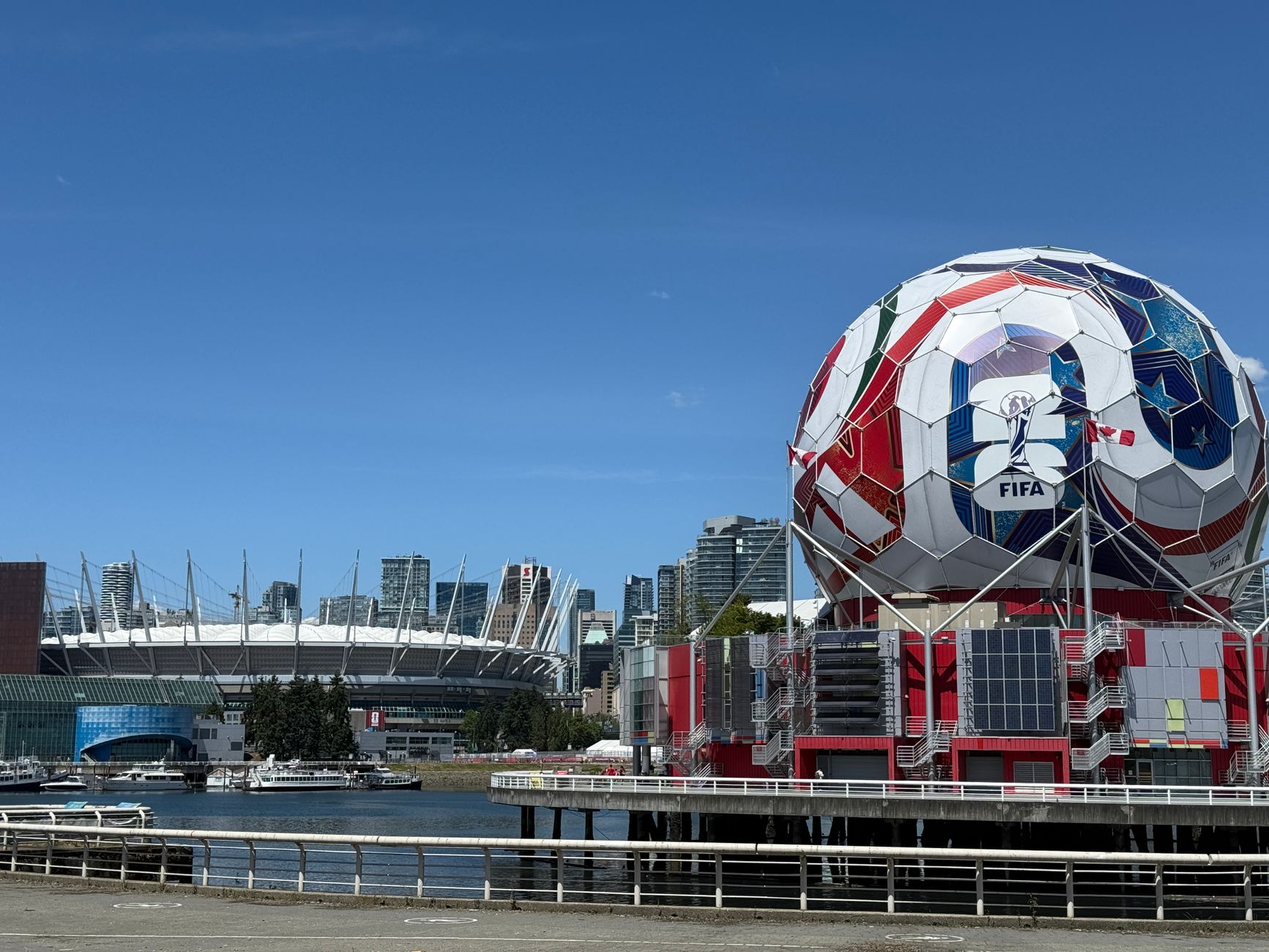
Photo by The Six on Pexels
Thank you for reading.
World Cup Hub · The Sovereign Editorial · Vol. I